
Restorative Dentistry
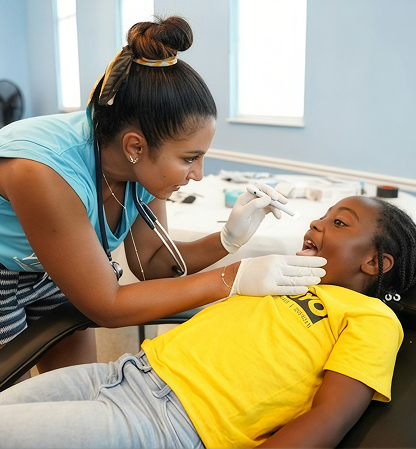
Restorative Dentistry at Hello Kids in Pembroke Pines repairs teeth affected by cavities, wear, or injury so your child can eat, speak, and smile comfortably again. We use a gentle, patient approach designed for kids, including children with special needs.
Understanding Restorative Dentistry
Even with great habits at home, cavities can happen. Restorative dentistry repairs teeth that have been damaged by decay, cracks, or injury so they can work and feel healthy again. Many parents wonder whether it is worth treating a baby tooth that will eventually fall out. The answer is usually yes. Baby teeth help children chew, speak clearly, and hold space for permanent teeth. An untreated cavity can grow, cause pain or infection, and affect the adult tooth developing underneath.
Restorative care for kids may include tooth-colored fillings, crowns for teeth with larger areas of damage, and other treatments to save a tooth whenever possible. Our goal is always to treat the problem early, keep as much of the natural tooth as we can, and make the experience as calm and comfortable as possible. For children who feel anxious or have special health care needs, we discuss comfort options with parents before treatment, including pediatric sedation when it is appropriate.
Signs Your Child May Need Restorative Care
What to Expect
- A gentle exam, with X-rays when needed, to see the size and location of the problem
- A clear explanation of what we found and the treatment options that fit your child
- Kid-friendly language and a calm pace so your child knows what to expect at each step
- Comfort options discussed with parents ahead of time, including pediatric sedation when it is a good fit
- Extra time and accommodations for children with special needs, anxiety, or sensory sensitivities
- Simple aftercare instructions and tips to help protect the treated tooth at home
How We Approach Restorative Care
Gentle, Step-by-Step Treatment
We explain each step in simple, friendly language and move at a pace that feels right for your child. Before we begin, we make sure your child is comfortable, and we check in often during treatment. For children with anxiety, sensory sensitivities, or developmental differences, we adapt the environment and our approach so the visit feels as safe and predictable as possible.
Treatment Options That Fit Your Child
Every tooth and every child is different. After a careful exam, we walk parents through the options, explain why we recommend a certain treatment, and answer every question. We focus on saving as much of the natural tooth as possible and choosing the approach that best supports your child's comfort, health, and long-term development.
Protecting Smiles After Treatment
Restoring a tooth is only part of the plan. We help families understand what caused the problem and how to prevent new cavities, with practical guidance on brushing, flossing, snacks, and drinks. Regular checkups let us monitor treated teeth over time and keep your child's smile healthy as they grow.
Benefits
Experts in Special Needs Dentistry
Hello Kids Dentistry is focused on caring for children of all abilities, including kids with autism, sensory processing differences, developmental delays, and complex medical needs.
A Visit Built Around Your Child
We never rush. Appointments are paced to your child's comfort, with accommodations for sensory needs, anxiety, and communication differences, so every visit feels safe and positive.
Care That Grows With Your Child
From the first tooth through the teen years, we provide continuous care that adapts to each stage of your child's development.
Pediatric-Trained Dentist
Dr. Yazaji completed two years of Advanced Education in General Dentistry and Special Needs at Nova Southeastern University.
Why Treating Baby Teeth Matters
Baby teeth do important work. They help children chew a healthy variety of foods, develop clear speech, and guide permanent teeth into the right position. When a cavity in a baby tooth is left untreated, it can grow quickly because baby tooth enamel is thinner than adult enamel. Over time, decay can lead to pain, infection, and early tooth loss, which may cause spacing problems for the adult teeth.
Treating cavities early usually means simpler, more comfortable care. Our team focuses on fixing the problem while protecting your child's overall experience at the dentist, so future visits feel easy instead of stressful. After treatment, we create a prevention plan to help your child avoid new cavities and keep a healthy smile for years to come.
Questions Parents Ask Us
In most cases, yes. Baby teeth help children chew, speak, and hold space for permanent teeth. An untreated cavity can grow, cause pain or infection, and affect the adult tooth underneath. We will explain the best option for your child's specific tooth.
Depending on the tooth and the size of the damage, restorative care may include fillings, dental crowns, and other treatments to save the tooth. After an exam, we will walk you through the options that fit your child.
We work gently and make sure the area is numb before treatment begins, so most children feel only light pressure. We explain each step in kid-friendly language and check in often to keep your child comfortable.
Yes, we offer pediatric sedation. Dr. Yazaji and our team will talk with you before the visit to decide whether it is a good fit for your child, especially for children with anxiety or special health care needs.
Use simple, positive words and avoid scary phrases like shot or hurt. Let your child know the dentist will count and clean their teeth and fix a little spot. Our team is happy to share tips for children with special needs or sensory sensitivities.
Brushing twice a day with fluoride toothpaste, flossing daily, limiting sugary snacks and drinks, and keeping regular checkups all help. We may also recommend fluoride varnish or sealants to give your child's teeth extra protection.